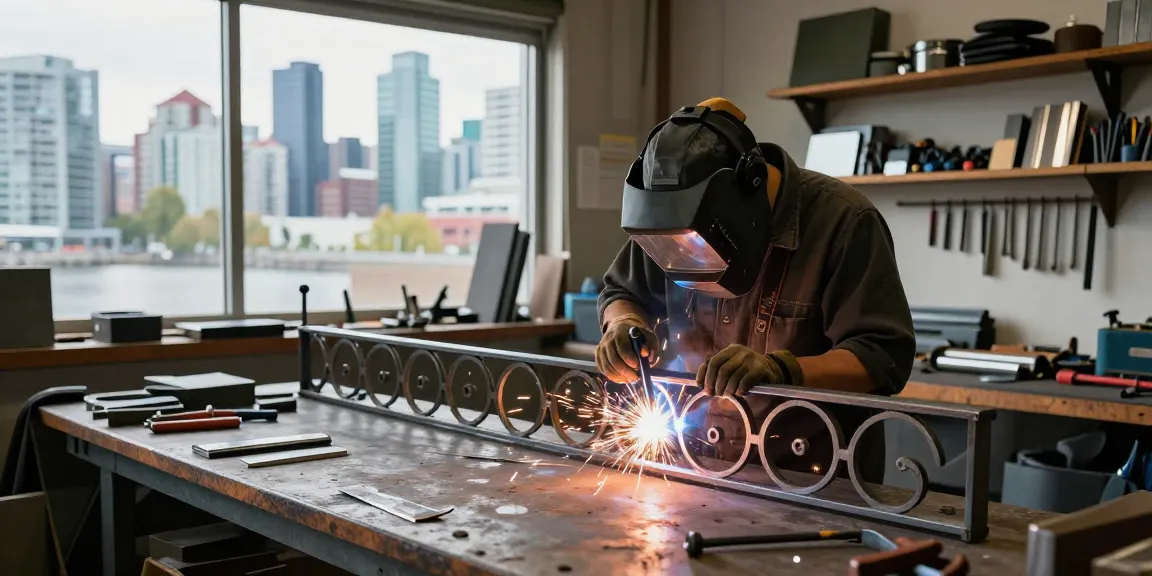
Understanding Metal Fabrication in Vancouver
In the thriving city of Vancouver, where architectural innovation meets natural beauty, custom metalwork plays a vital role in both residential and commercial projects. For homeowners and businesses, engaging in metal fabrication vancouver services can transform a basic vision into a stunning reality, combining functionality with aesthetic appeal. This article explores the essential aspects of custom metal fabrication, its processes, and the benefits it brings to various projects in Vancouver.
What is Metal Fabrication?
Metal fabrication refers to the process of constructing metal structures by cutting, bending, and assembling processes. This engineering discipline can include a range of processes from welding to machining and is a cornerstone in various industries, including construction, manufacturing, and even art. In Vancouver, custom metal fabrication has found a niche, supporting unique projects that require precise specifications and high-quality results.
Importance of Custom Metalwork
Custom metalwork is essential due to its versatility and adaptability to specific project requirements. Unlike standard products, custom solutions are tailored to the unique dimensions and designs of each project. This tailored approach enhances the overall effectiveness and aesthetic of the installations, making it a preferred choice for builders and architects in Vancouver.
Metal Fabrication Processes Explained
The metal fabrication process typically includes several key steps:
- Design: Initial designs are created either through sketches or advanced CAD software to ensure accurate specifications.
- Cutting: Metal sheets are cut into specified shapes using tools such as laser cutters or plasma cutters.
- Bending: The cut pieces are then bent or shaped into the desired form using press brakes or rollers.
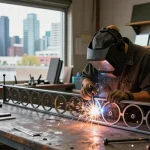
- Welding: After shaping, pieces are welded together to form a cohesive structure. This step is critical for ensuring the strength and durability of the final product.
- Finishing: Finally, the fabricated metal is finished with options like powder coating or galvanization to prevent corrosion and enhance appearance.
Key Benefits of Custom Metal Fabrication
Tailored Solutions for Unique Projects
One of the standout features of custom metal fabrication is the ability to create solutions that are tailored specifically to individual projects. This bespoke approach allows for designs that fit not only the physical space but also the intended function of the metalwork. From decorative railings to structural supports, the customization benefits extend across all types of projects.
Enhanced Durability and Aesthetics
Custom metalwork is often designed with durability in mind, using high-quality materials that withstand the elements—especially important in Vancouver’s diverse climate. Furthermore, the aesthetic appeal of well-crafted metal elements can dramatically enhance the visual impact of both residential and commercial environments.
Cost-Efficiency Over Time
While initial costs for custom metalwork may be higher than off-the-shelf options, the long-term savings often outweigh the upfront investment. Custom solutions are built to last, reducing the need for repairs and replacements over time. Additionally, well-designed metal features can add value to properties, making them a wise investment for both homeowners and business owners.
Choosing the Right Metal for Your Project
Common Types of Metals Used in Fabrication
In metal fabrication, various types of metals are commonly utilized. Each type comes with its own set of properties that can be advantageous depending on the application:
- Stainless Steel: Known for its corrosion resistance and strength, stainless steel is popular in both residential and commercial applications.
- Aluminum: Lightweight and resistant to corrosion, aluminum is often used for architectural features and outdoor applications.
- Carbon Steel: This metal is known for its strength and versatility and is commonly used in structural applications.
- Iron: With its classic and rustic appeal, iron is often used in decorative applications and outdoor features.
Factors Influencing Metal Selection
Selecting the right metal for your project requires consideration of various factors, including:
- The intended use and load-bearing requirements
- Environmental conditions, such as exposure to moisture and temperature variations
- Aesthetic preferences, which impact the choice of finish and overall design
- Budget constraints, as different metals come at varying costs
Alloy Variations and Their Benefits
Understanding alloy variations can lead to better material choices for specific applications. For example, aluminum alloys come in different grades that enhance strength or corrosion resistance, tailoring them for precise needs. Knowing these differences can help you work with your fabricator to select the best material for your project.
Best Practices for Successful Metalwork Projects
Planning Your Custom Design
An effective project begins with thorough planning. Engage with a design professional to draft a detailed plan that considers aesthetics, functionality, and safety standards. This planning phase will also help in visualizing the end result and ensures that all team members are aligned with the project’s goals.
Working with Professional Fabricators
Collaborating with experienced fabricators is essential. They not only bring technical expertise and craftsmanship but also an understanding of building codes and standards that must be adhered to. Choose a fabricator who can walk you through the process, providing insights based on their experience with similar projects.
Understanding Installation Needs
The installation phase can greatly impact the success of your metalwork project. Ensure that proper installation techniques are followed, as mishandled installation can lead to failures or safety issues. Utilize the services of professionals who specialize in metalwork installation to guarantee optimal results.
Future Trends in Metal Fabrication for 2026 and Beyond
Emerging Technologies and Techniques
The field of metal fabrication is constantly evolving, with advancements in technology paving the way for improved processes and materials. Technologies such as 3D printing of metals and robotic welding are becoming increasingly prevalent, allowing for greater precision and efficiency in fabrication.
Sustainability in Metal Fabrication
As environmental concerns grow, sustainable practices in metal fabrication are anticipated to rise. Many fabricators are adopting greener methods, like using recycled materials or reducing waste through more efficient cutting techniques, aligning with global sustainability goals.
The Rise of Automated Manufacturing
Automation is expected to transform metal fabrication, enhancing productivity and consistency. Automated systems can streamline tasks, reduce human error, and facilitate faster turnarounds, ultimately benefiting clients with higher quality outputs and lower costs.
What Types of Metals Do You Work With?
At Avangard Steel, we work with a variety of metals tailored to project specifications. This includes stainless steel, aluminum, carbon steel, and more, enabling us to accommodate diverse project requirements. The choice of metal often depends on factors such as environmental exposure, aesthetic goals, and structural integrity.
Can I Provide a Custom Design for My Project?
Yes, we welcome custom designs! Clients are encouraged to bring their ideas to us, and we work collaboratively to ensure that each design aligns with practical requirements while reflecting the client’s vision. Our team of experts will help refine your ideas into feasible plans for fabrication.
Are Your Metalwork Solutions Suitable for Outdoor Use?
Absolutely! Many of our metalwork solutions are ideally suited for outdoor installations, designed to withstand the West Coast climate. We focus on utilizing materials and finishes that are resistant to corrosion and wear, ensuring longevity and performance for outdoor applications.